Winter arrives quickly in Northern Michigan. Patio furniture needs to come in, seasonal gear changes over, cottages and summer homes may be closed for months, and garages that felt spacious in July can suddenly become crowded with everything you want protected before the snow starts piling up.
Good winter storage is about more than simply moving belongings indoors. Cleaning, drying, packing and organizing items correctly before storage can make a major difference when you retrieve them again in spring.
At Charlevoix Mini Storage, we offer drive-up, hallway and climate-controlled storage across four locations in south Charlevoix. This guide covers practical ways to prepare household belongings, furniture, seasonal equipment and other items for a Northern Michigan winter.
You can also view current storage availability and pricing or use our Storage Unit Size Guide if you are still deciding how much space you need.
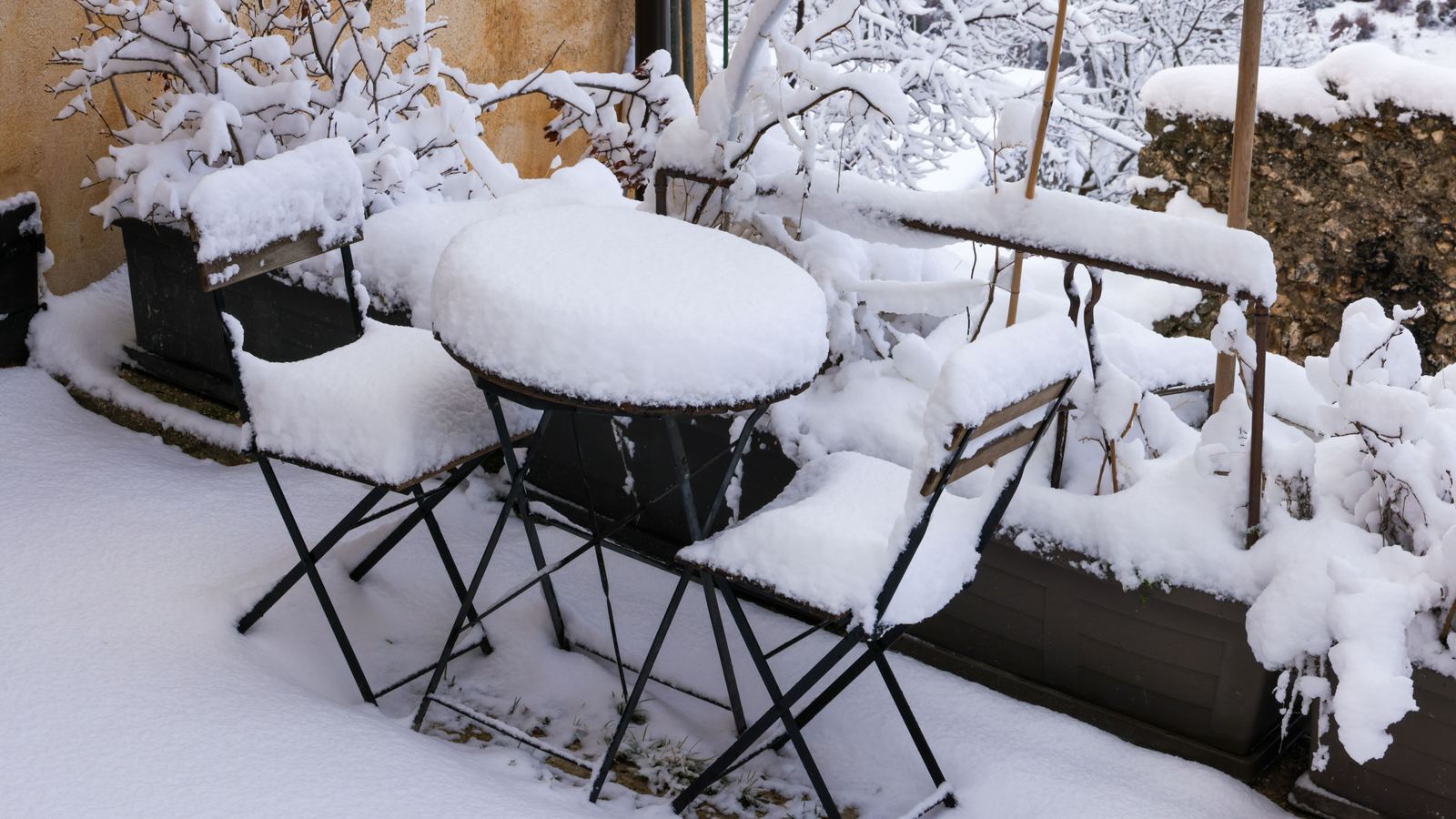
Northern Michigan brings freezing temperatures, snow, road salt, moisture and long stretches when seasonal belongings may not be touched. An item that seems perfectly fine when placed into storage in October can be much less pleasant to deal with after several months if it went in wet, dirty or poorly packed.
The most important rule is simple: store belongings clean and completely dry whenever possible.
Moisture, food residue, dirt and organic debris can contribute to odors, staining, corrosion and other problems during long-term storage. A little preparation before move-in is usually much easier than cleaning or repairing everything in spring.
Do not put away patio furniture, outdoor cushions, tools, sporting equipment or household items immediately after bringing them in from damp fall weather.
Give items time to dry thoroughly and clean off dirt, leaves, grass, salt or other residue first.
This is particularly important for anything that has spent the summer outside. Putting a damp cushion or dirty piece of patio furniture into storage for several months is asking that item to spend the winter in less-than-ideal conditions.
Winter storage is different from packing for a weekend move. You may not open some containers again until April or May, so organization matters.
Use sturdy boxes or totes that can be stacked safely and label them on more than one side. Labels such as Christmas decorations, summer kitchen, patio or cottage bedroom are much more useful than a row of identical boxes marked simply “misc.”
For items you expect to retrieve during winter, use clear totes or keep a basic inventory on your phone.
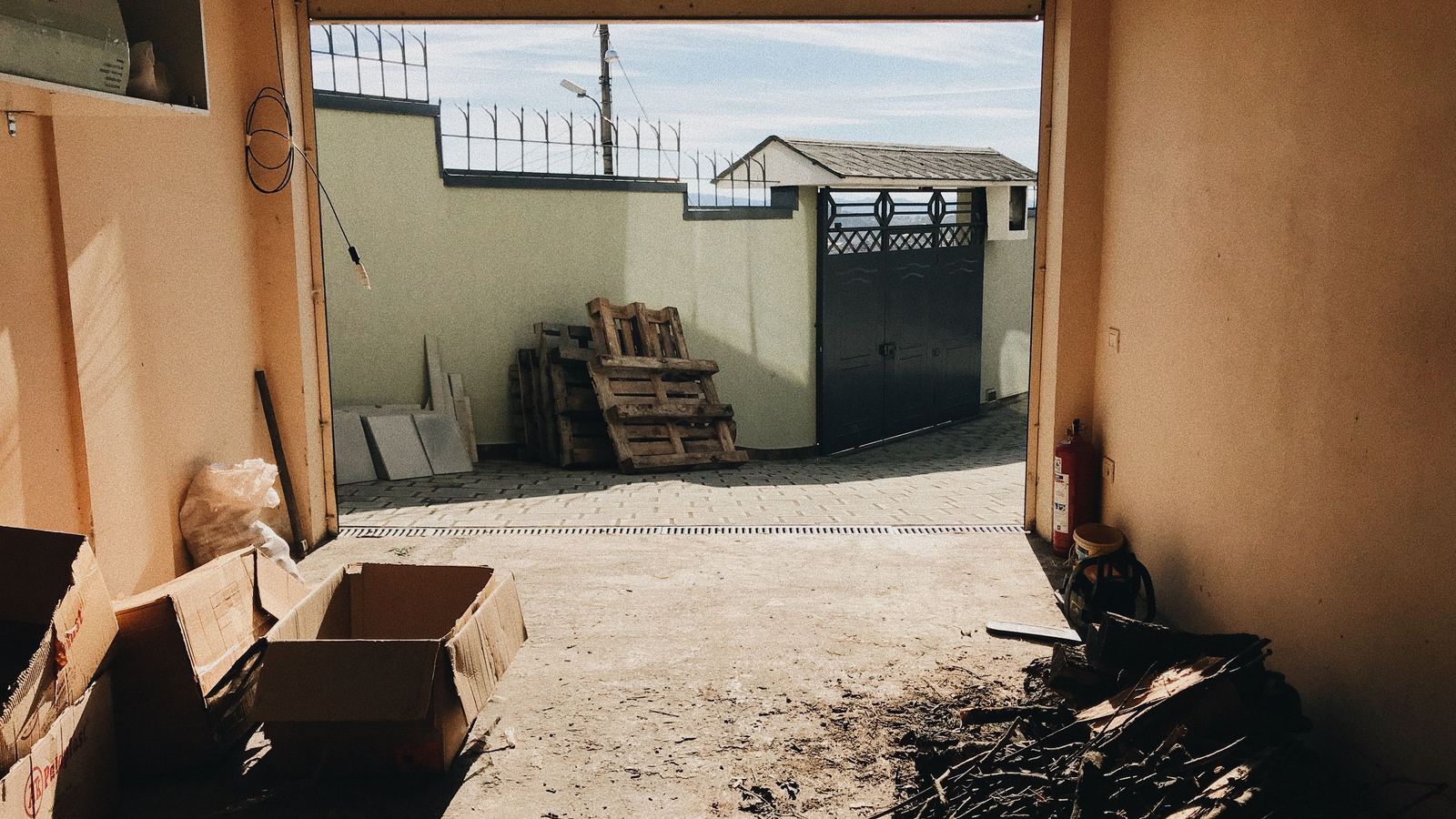
Furniture benefits from a little protection against dust and contact with other items, but avoid wrapping upholstered or wood furniture tightly in material that can trap residual moisture.
Breathable furniture covers, clean moving blankets or appropriate fabric covers are often more useful for long-term storage than completely sealing everything under non-breathable plastic.
Whenever practical:
Not everything requires climate-controlled storage. Plenty of household and seasonal belongings can be stored successfully in a standard drive-up unit when they are properly prepared.
Climate-controlled storage can be attractive when you prefer a more stable interior environment for belongings such as:
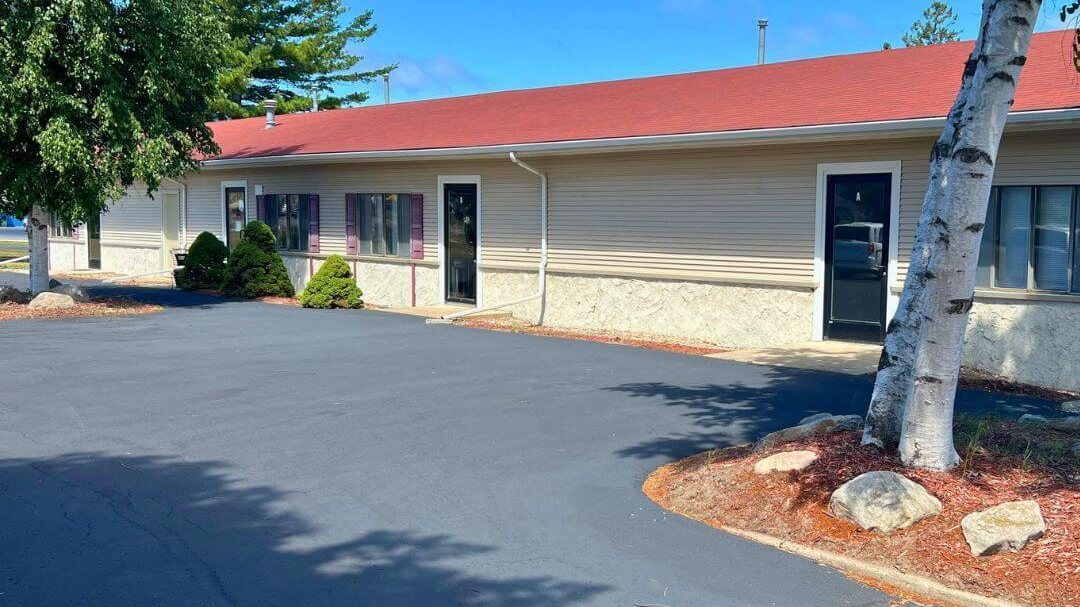
Our US-31 South Business Park offers ground-level interior climate-controlled storage in several sizes with parking conveniently located outside the building.
For much larger storage needs, our Stover Road facility offers premium climate-controlled spaces of nearly 600 square feet with tall roll-up doors, high ceilings, lighting, electrical power and 24/7 access.
Northern Michigan households accumulate plenty of seasonal equipment: lawn tools, bicycles, outdoor furniture, recreational equipment and gear that may not be used again for several months.
Clean equipment before storing it, remove mud and plant material, and follow the manufacturer's storage instructions for anything with an engine, battery or special maintenance requirements.
Never assume that gasoline, propane, flammable liquids or other hazardous materials belong in a self-storage unit. Remove prohibited materials and check storage rules if you are unsure about a particular item.
A storage unit becomes much more useful when you think about when you will need each item, not just whether everything fits.
If patio furniture will not come out until May, it can usually go farther back. Holiday decorations, winter sports equipment or business inventory you may need in December should remain easier to reach.
For a larger unit, creating even a narrow aisle through the center can save you from unloading half the space to retrieve one box.
Storage units offer usable height as well as floor area. Taking advantage of that space can help you avoid renting more square footage than necessary.
Use sturdy boxes for stacking, put heavier containers on the bottom and lighter ones above them, and avoid creating unstable towers.
Freestanding shelving can also be useful when you need regular access to boxes, business supplies or seasonal items.
One advantage of drive-up storage is straightforward loading and unloading. Instead of carrying furniture and boxes through a large building, you can position your vehicle close to the unit.
That convenience can be particularly welcome during a Northern Michigan winter.
Our US-31 South facility offers a broad range of drive-up unit sizes, while Old Norwood Road offers both drive-up and ground-level hallway storage.
Vehicle storage requires more planning than simply parking a car and closing the door. If you are considering placing a vehicle in storage, first confirm that the particular unit is suitable for the vehicle, including the unit dimensions, door clearance and applicable storage rules.
Before long-term vehicle storage, follow the vehicle manufacturer's recommendations. Typical preparation may include cleaning the vehicle, checking tire pressure and fluids, maintaining the battery appropriately and making sure the vehicle is dry before storage.
Fuel-system, battery and mechanical recommendations can vary substantially by vehicle, so manufacturer guidance is more useful than applying the same procedure to every car.
Most importantly, do not reserve a unit based solely on the advertised floor dimensions if you intend to store a vehicle. Call our office first so we can help determine whether a currently available unit is appropriate.
For seasonal storage, people often need less space than they initially expect once furniture is disassembled and boxes are stacked efficiently.
As a rough starting point:
Our Storage Unit Size Guide provides more detailed examples, and our Rent Storage page shows live prices and current availability.
Charlevoix and the surrounding area have many seasonal properties, and closing a home or cottage for winter often creates a temporary storage problem.
Patio furniture, outdoor cushions, decorations, household goods and other seasonal belongings can take up significant space indoors. Moving selected items into storage can make it easier to close the property without filling every closet, basement and spare room.
It can also be useful during renovation or maintenance work when contractors need clear access to rooms during the off-season.
The best storage setup depends on what you are storing, how much space you need and how often you expect to access it during winter.
Charlevoix Mini Storage has four facilities in south Charlevoix with a mix of drive-up, hallway, interior climate-controlled and premium large climate-controlled storage.
You can compare all four storage locations, check current prices and availability, or contact our local rental office if you would like help choosing a space.
View Live Storage Availability | Ask Us About Winter Storage
