A home renovation usually begins with an exciting idea: a new kitchen, fresh flooring, a better bathroom, an addition or finally updating the room you've been meaning to tackle for years.
Then comes the less exciting question:
Where are you going to put everything while the work is happening?
Furniture pushed from one side of a room to another quickly gets old. Boxes stacked in the next room become obstacles. Contractors need space to work. Dust travels farther than anyone expects. And a project scheduled for two weeks sometimes has a habit of becoming four.
Temporary self storage can solve a surprisingly large part of that problem.
This guide explains how Charlevoix homeowners and cottage owners can use storage during a remodel, what should leave the house, how much space you may need and how to organize everything so moving back in is easier when the project is finished.
Already have a renovation scheduled? You can check current Charlevoix storage availability and reserve an available unit online.
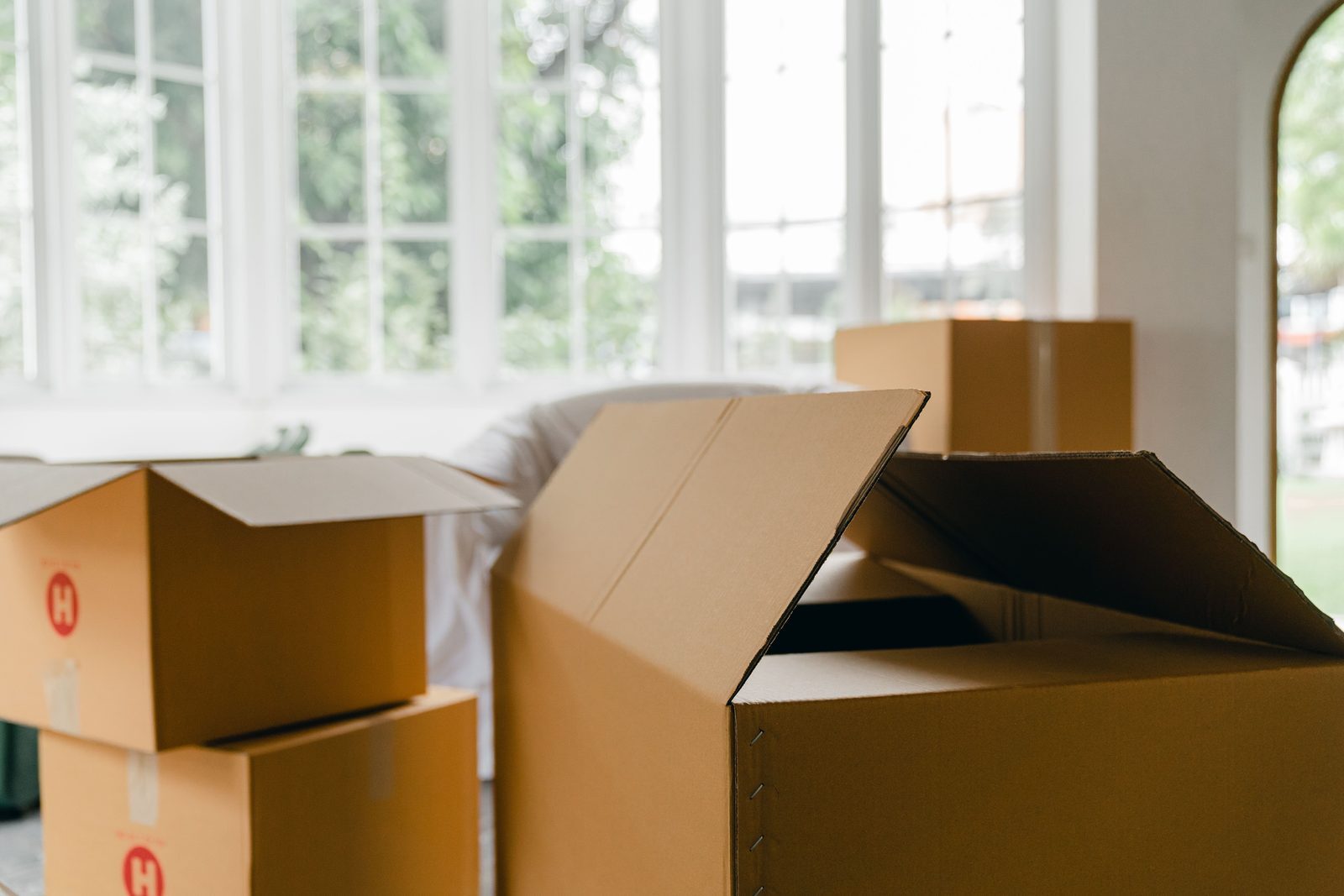
You certainly can remodel a house with all of your belongings still inside it. People do it every day.
That does not necessarily make it the easiest way to live through a renovation.
Moving furniture and household belongings out of the active work area can provide several practical advantages.
An empty room is easier to paint, floor, wire, drywall or remodel than a room filled with furniture.
Crews spend less time moving your belongings from one side of the room to another, and you reduce the chance that furniture ends up blocking the exact wall, outlet or section of flooring that needs attention next.
Renovation dust is remarkably good at traveling.
Drywall sanding, demolition, cutting wood and removing old flooring can create dust that finds its way well beyond the immediate work area. Plastic barriers and careful contractors help, but removing valuable furniture from the construction zone eliminates much of the problem entirely.
A sofa squeezed into a hallway, dining table covered in tools or antique dresser sitting beside an active work area has more opportunities to be bumped, scratched or covered in debris.
Temporary storage puts those belongings somewhere they are not competing for space with ladders, tools and building materials.
Moving everything from the kitchen into the dining room works until the dining room becomes phase two.
Using storage gives you somewhere genuinely separate from the project to keep belongings until the rooms are ready again.
You do not need to empty the entire house for every renovation.
Start with anything that will interfere with the work or that you would rather not have sitting near it.
Common renovation-storage items include:
The objective is not simply protecting things. It is creating a usable construction area.
One mistake is thinking only about the room being remodeled.
Consider the route workers and materials will take to reach it.
If a new bathtub has to travel through a hallway, or flooring has to come through the living room, clearing that route can be just as useful as clearing the actual work area.
Think about:
A little extra clearing before work begins can prevent a lot of frantic furniture moving later.
The right size depends on how many rooms you're clearing and how bulky the furniture is.
Approximately 50 square feet.
This can work for a smaller project involving boxes, décor, shelving contents, a few pieces of furniture or belongings removed from a closet, office or small room.
Approximately 100 square feet.
A 10 x 10 provides more flexibility for furniture plus boxes and can be a practical choice when clearing a larger room or several smaller spaces.
Approximately 150 square feet.
This is useful when a project involves several furnished rooms or larger pieces that consume floor space quickly.
Approximately 200 square feet.
A 10 x 20 is particularly useful for substantial remodeling projects involving multiple rooms, large furniture, appliances and numerous boxes.
At the time this guide was updated, 10 x 20 drive-up units were listed at $169 per month at select Charlevoix Mini Storage locations. Prices and availability can change, so always use our live rental page for the current options.
For a visual comparison of common sizes, use our storage unit size guide.
If you're moving heavy furniture out of a house, convenience matters.
A drive-up storage unit allows you to pull your pickup, trailer, car or moving truck directly alongside the unit. Furniture can move from the house to the vehicle and then from the vehicle directly into storage without a long interior carry.
That becomes even more valuable when you're doing the move yourself rather than hiring professional movers.
Charlevoix Mini Storage offers drive-up storage at US-31 South in sizes ranging from compact household spaces through large units suited to major remodeling projects.
Our Old Norwood Road facility also offers drive-up units along with smaller interior hallway storage.

A short renovation does not automatically mean everything needs climate-controlled storage.
But some belongings deserve additional consideration, particularly if the project may extend longer than expected.
You may want to consider a more stable indoor environment for:
Charlevoix Mini Storage offers interior climate-controlled storage at our US-31 South Business Park as well as very large premium climate-controlled units at Stover Road.
If you're unsure which environment makes sense, read our complete climate-controlled versus standard storage guide.
This is where a little planning can save a great deal of work.
Do not pack the storage unit randomly.
Ask your contractor which rooms are expected to be completed first and pack accordingly.
If the bedrooms will be finished before the kitchen, bedroom furniture should be easier to retrieve. If the kitchen is phase one, kitchen belongings should not be buried behind the contents of the basement.
A useful strategy is:
That turns move-back day into an organized process instead of an archaeological dig.
Renovations often change how a house is used.
If the old office becomes a guest room, labeling a box “office” is not particularly useful once construction is finished.
Where practical, label boxes according to where they will go after the remodel.
For example:
This makes unloading considerably faster.
Large tables, bed frames and shelving units can consume far more storage space when left assembled.
When practical, remove legs, shelves or other detachable pieces.
Put screws, bolts and other hardware into a labeled bag and securely attach that bag to the corresponding furniture. Do not create one giant mystery bag of hardware unless you enjoy puzzles.
Take a quick photo before disassembly if the item is complicated. That gives you an easy reference when it's time to put everything back together.
Everything should enter storage clean and dry.
Use appropriate furniture covers to protect surfaces from dust and incidental contact. Avoid sealing existing moisture into upholstery or other materials.
Do not place fragile items underneath heavy boxes, and use sturdy containers rather than weakened cardboard boxes that may collapse when stacked.
For especially valuable furniture, consider both the storage environment and how the piece is positioned before stacking other belongings around it.
The garage is often the first place homeowners put everything during a remodel.
That can work for a very small project.
For a larger renovation, however, the garage may also be needed for tools, building materials, contractor access, deliveries or simply keeping your vehicles out of Northern Michigan weather.
If the garage becomes packed floor to ceiling with furniture before construction even starts, you've simply moved the congestion from one part of the property to another.
Temporary off-site storage can keep the garage functional while the work is underway.
Kitchen projects create a surprising amount of displaced property.
In addition to tables and chairs, you may need to move:
Keep the handful of items you'll use during the renovation at home and store the rest by category.
Do not pack perishable food or anything prohibited by your storage agreement.
Replacing flooring is much faster when installers can move continuously through open rooms rather than repeatedly shifting furniture.
The same principle applies to interior painting.
If several connected rooms are being refinished, temporarily removing furniture can allow the project to progress in a logical sequence rather than turning every room into a furniture shuffle.
For hardwood refinishing in particular, keeping furniture out until the contractor says the surface is ready also avoids rushing items back onto a newly finished floor.
Renovating a seasonal home creates an especially good use case for temporary storage.
Many Charlevoix cottage projects happen during fall, winter or spring when owners are not using the property every weekend. Moving furniture and household contents out before contractors begin gives crews a clearer workspace even when the homeowner is away.
If you're closing a seasonal property at the same time, our seasonal home and cottage storage guide explains how to organize belongings so reopening next season is easier too.
It happens.
Materials arrive late. An inspection changes the schedule. Opening a wall reveals something nobody expected. One phase has to wait for another contractor.
This is another reason to pack the storage unit for access rather than simply maximum density.
Keep things you might reasonably need near the entrance, label boxes clearly and maintain a simple inventory on your phone.
If a two-month project becomes a four-month project, you'll still be able to retrieve something without unloading the entire unit.
Generally, treat your storage unit as space for your belongings unless you've specifically discussed another arrangement with both the contractor and the storage facility.
Do not allow prohibited, hazardous or flammable materials to be stored in your unit.
If you are uncertain whether something is permitted, contact our local Charlevoix office before storing it.
Give yourself some breathing room.
If the contractor expects a project to take six weeks, arranging storage for exactly six weeks assumes everything goes perfectly and that you'll be ready to move all the furniture back the moment construction ends.
In reality, you may want time for final cleaning, touch-ups and organizing before the house fills up again.
The right rental period depends on your project, but building a little flexibility into the plan is usually less stressful than trying to coordinate move-out and move-back dates to the day.
For a smaller room or closet project, a 5 x 10 may be enough. A 10 x 10 or 10 x 15 provides more room for furniture and boxes, while a 10 x 20 is a useful size for larger multi-room remodeling projects. Actual capacity depends on your belongings and how efficiently they can be packed.
At the time this guide was updated, select Charlevoix Mini Storage 10 x 20 drive-up units were listed at $169 per month. Storage pricing and availability can change, so check the live rental page for current information.
Yes. Charlevoix Mini Storage tenants have 24/7/365 access to their rented storage space.
Drive-up access is particularly convenient for furniture because your vehicle can be positioned close to the unit door, reducing carrying distance. Sensitive or especially valuable furniture may warrant consideration of climate-controlled storage.
Yes. Available Charlevoix Mini Storage units can be reserved online for $30, and the reservation payment is credited toward your first rental invoice.
Our online rental page shows live inventory across all four Charlevoix locations. When a preferred size is occupied, a waiting-list option may be available, or another nearby facility may have a comparable space.
A successful remodel is not only about choosing cabinets, flooring and paint colors.
It's also about giving the people doing the work enough room to do it—and keeping the belongings you care about out of their way while they do.
Moving furniture and household items into temporary storage can create a cleaner work area, reduce repeated furniture moving and give you more control over how everything returns to the house when construction is complete.
Charlevoix Mini Storage operates four convenient local facilities with drive-up, hallway and climate-controlled options, 24/7 tenant access and live online availability.
Check current storage availability and reserve online, or contact our Charlevoix office if you'd like help comparing unit sizes.
You can also call us at (231) 547-5838.
Last updated: August 2026. Prices and availability are subject to change; live inventory on our rental page is the current source of availability and pricing.
